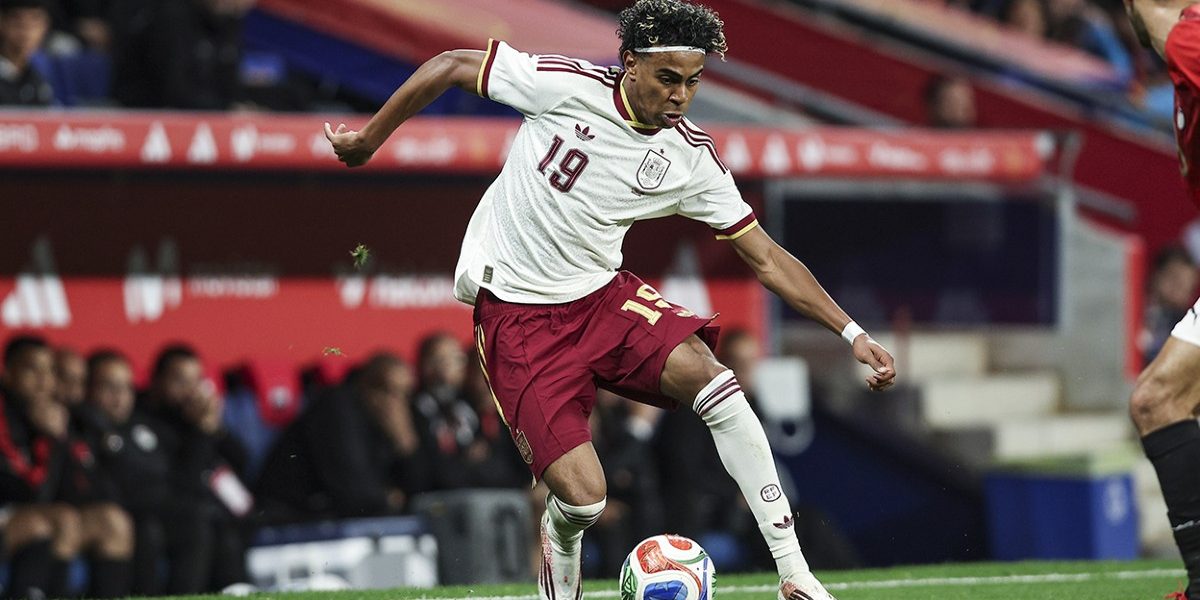
Lamine Yamal Becomes the Face of High-Tech Football at the Upcoming World Cup
Lamine Yamal, a 19-year-old Spanish footballer, is set to become one of the most closely monitored players at the 2026 World Cup. His movements will be tracked by AI tools and wearables, marking a significant shift in how the sport is approached from a data-driven perspective.
For the first time, FIFA has embedded PhD students with teams to analyze data and develop strategies using AI. This collaboration aims to create cutting-edge tools that can help teams optimize their performance.
One of the primary innovations being implemented is AI-powered video analysis software. This system can analyze player movements, tracking their speed, distance covered, and other factors in real-time. The collected data will be used to provide personalized feedback to players, helping them improve their skills.
Another key development is the introduction of wearables that track vital signs such as heart rate, stress levels, and fatigue. This data will be combined with AI-driven analytics to create a comprehensive picture of each player’s physical and mental state throughout the tournament.
But it’s not just individual performance that’s being enhanced with AI. Teams will also use data analytics to optimize their tactics, making informed decisions about formations, player positioning, and substitutions.
What this means: Expect to see more informed, strategic gameplay as teams adapt to changing circumstances on the pitch. Players like Lamine Yamal will benefit from AI-driven training and feedback, potentially leading to improved performances and a more exciting spectator experience.
This World Cup represents a significant milestone in the integration of AI and technology into football. The implications of this trend are far-reaching, not only for the sport itself but also for the broader adoption of AI in various industries.
As teams continue to push the boundaries of data-driven decision-making, we may see innovative applications of AI in areas such as fan engagement, broadcast analysis, and even player safety. The future of football is being shaped by the convergence of technology and sports, and the 2026 World Cup will be a key testbed for these emerging trends.