China’s Underwater Data Center: A Revolutionary Leap in Sustainable Computing
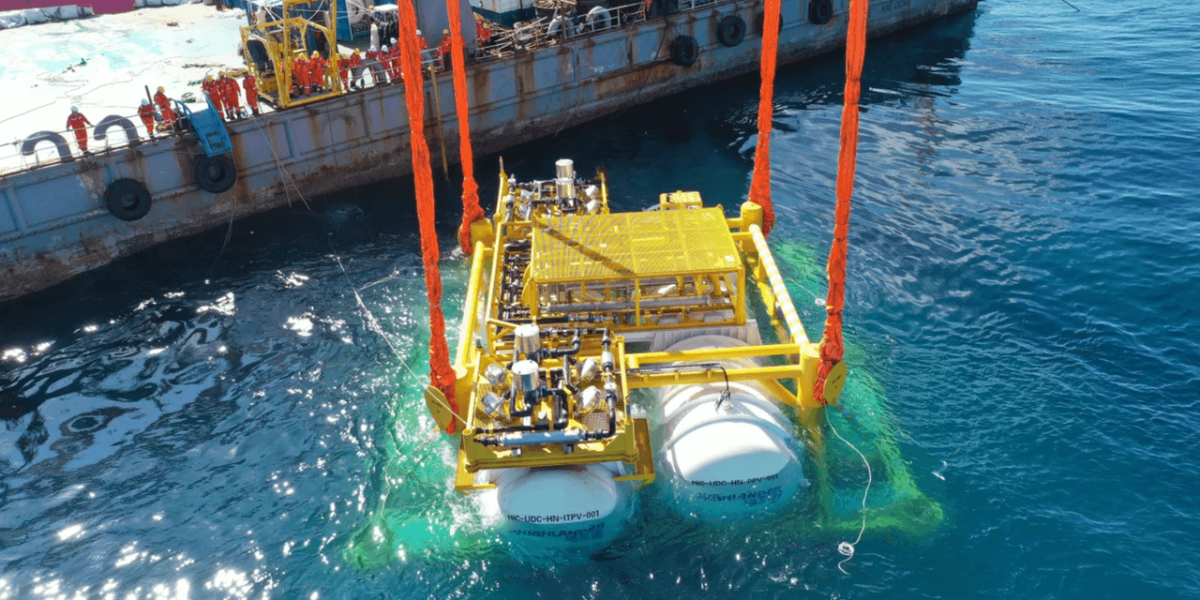
The world’s first wind-powered underwater data center in China has officially opened its doors, signaling a radical shift in the way we think about data storage and energy efficiency. This innovative facility, located off the coast of Shanghai, boasts an initial capacity of 24 megawatts – a significant step towards reducing the carbon footprint of the tech industry.
Seawater Cooling System: A Natural Solution
The underwater data center employs seawater as a natural cooling system, a clever hack that sidesteps the usual need for air conditioning units. By harnessing the ocean’s natural temperature regulation, the facility can maintain a stable and energy-efficient environment for its high-performance computing equipment. This clever design choice not only minimizes energy consumption but also reduces the risk of overheating – a common problem in traditional data centers.
What this means
For businesses and organizations operating in the digital sphere, this underwater data center represents a significant opportunity for sustainable growth and reduced energy costs. As the demand for cloud computing and data storage continues to rise, innovative solutions like this one will become increasingly important in reducing our collective carbon footprint. With the world’s first wind-powered UDC now operational, China is setting the stage for a new era in environmentally responsible computing.
While the technology behind the underwater data center is still in its nascent stages, this pioneering effort is likely to inspire a wave of similar initiatives worldwide. Expect to see more companies and governments investing in sustainable data storage solutions that prioritize both energy efficiency and environmental responsibility.
Next Steps: Scaling Up and Reducing Emissions
As the world’s first underwater data center begins to take shape, we’re witnessing a major milestone in the global push towards sustainable computing. The next challenge will be to scale up this innovative technology and integrate it into the existing data center landscape. With 24 megawatts of capacity already online, the possibilities for expansion are vast – and the potential for reduced emissions is substantial.
The success of China’s underwater data center will undoubtedly pave the way for a new generation of eco-friendly data storage solutions. As we move forward, it’s clear that the future of computing is becoming increasingly intertwined with the pursuit of sustainability – and this underwater facility is a powerful symbol of that shift.