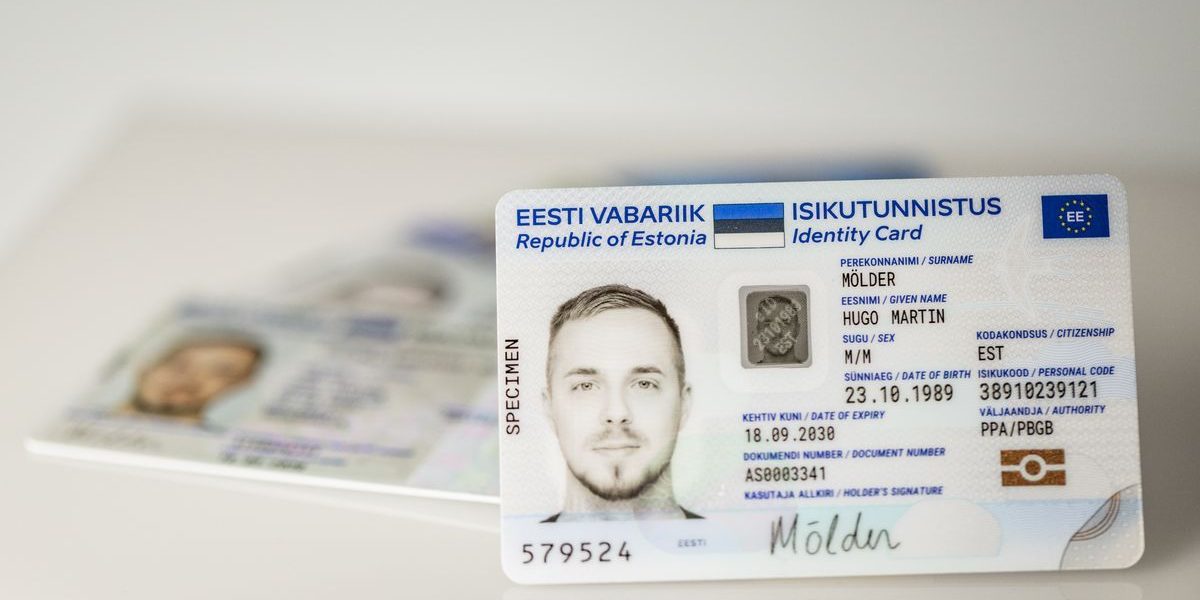
The Estonian Police and Border Guard Board has just started issuing a new generation of electronic identity (eID) cards, developed in partnership with Thales, a French multinational electronics company. This is a significant milestone in Estonia’s ongoing efforts to modernize its digital identity program.
What’s New About These eID Cards?
The upgraded eID cards use advanced security features to safeguard citizens’ biometric information and personal data. They incorporate a secure microcontroller chip from Thales, which stores and processes sensitive data. This chip is designed to be highly resistant to cyber threats, using advanced encryption and secure authentication protocols.
The cards also include a fingerprint sensor and an advanced camera, allowing for more secure and efficient biometric authentication.
Estonia’s Digital Identity Leadership
Estonia is renowned for its pioneering approach to digital identity, and this latest development reinforces its position as a leader in the field. The country’s eID system has been in place since 2002, but this new generation of cards represents a major upgrade, with enhanced security features and improved usability.
Thales, the technology partner behind the project, has a long history of working with Estonia to develop secure digital solutions. The company’s expertise in secure microcontrollers and biometric authentication has been instrumental in creating the new eID cards.
What This Means
The new eID cards will make it easier and more secure for Estonian citizens to access online services, both within the country and across Europe. They will also provide a higher level of protection for sensitive personal data, reducing the risk of identity theft and cyber attacks.
The success of this project could serve as a model for other European countries, demonstrating the potential of secure digital identity solutions to enhance citizen safety and convenience.