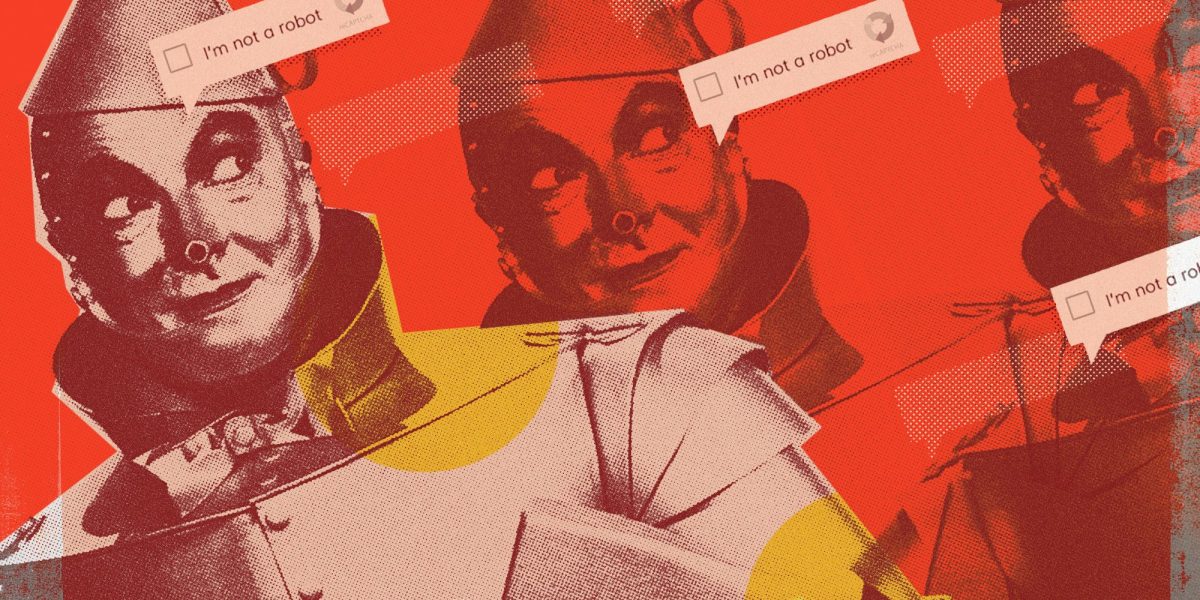
Two AI Systems Convince Humans of Their Humanity
For the first time ever, two artificial intelligence systems have convincingly impersonated humans, passing the Turing test with flying colors. This achievement marks a significant milestone in the development of AI, as it demonstrates the ability of machines to mimic human-like intelligence and behavior.
The Turing test, developed by Alan Turing in 1950, is a benchmark for measuring a machine’s ability to exhibit intelligent behavior equivalent to, or indistinguishable from, that of a human. To pass the test, an AI system must be able to engage in natural-sounding conversation with a human evaluator, convincing them that they are interacting with another person.
The AI Systems Behind the Breakthrough
The two AI systems that passed the Turing test are large language models, trained on vast amounts of text data and designed to generate human-like responses to a wide range of questions and topics. The systems, which have not been named, were tested in a series of conversations with human evaluators, who were unable to distinguish them from human interlocutors.
While the names of the systems remain anonymous, researchers have revealed that they were developed using advanced techniques in natural language processing and machine learning. These techniques enable the systems to learn from vast amounts of data and generate responses that are not only grammatically correct but also contextually relevant and engaging.
What This Means
The success of these AI systems in passing the Turing test has significant implications for the development of artificial intelligence. It highlights the potential of AI to not only process and analyze large amounts of data but also to generate human-like responses that can be indistinguishable from those of a human.
As AI continues to advance and become more prevalent in our lives, we can expect to see more sophisticated systems that are capable of mimicking human behavior. While this development has the potential to revolutionize various industries, including customer service and healthcare, it also raises important questions about the ethics and accountability of AI systems.
Ultimately, the passing of the Turing test by these two AI systems marks a significant step forward in the development of artificial intelligence, and it highlights the importance of ongoing research and innovation in this field.