Robot Reality Check: Separating Hype from Harsh Truth
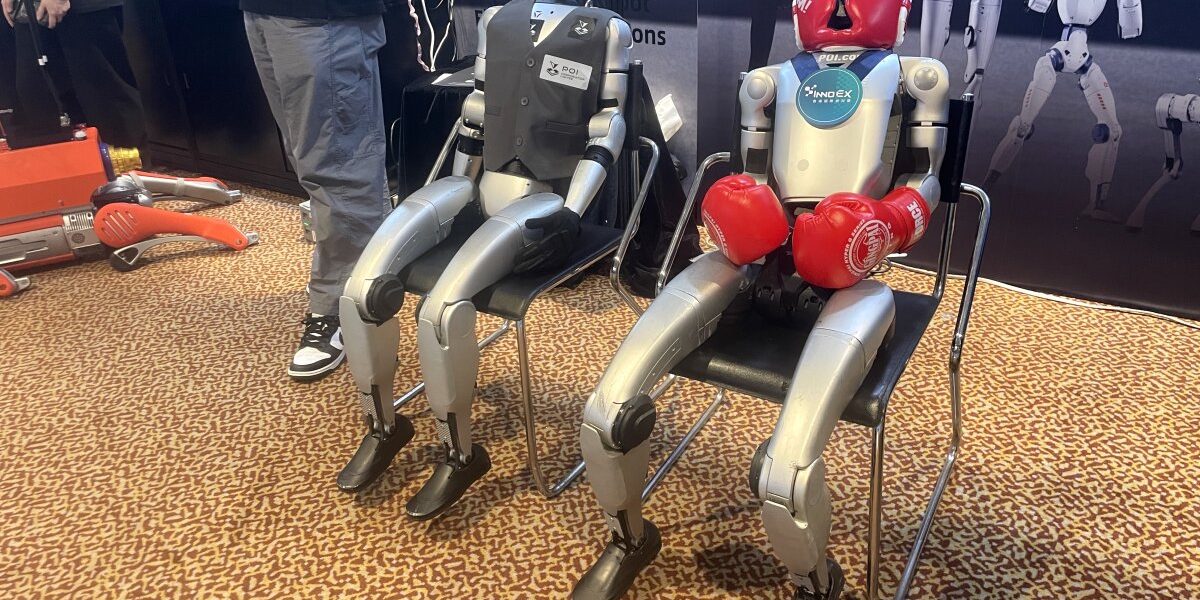
We spent several days surrounded by around 100 robots, each with its own unique characteristics, and the experience was a resounding reality check. It’s easy to get caught up in viral videos showcasing robots effortlessly running marathons or performing impressive tasks in factories, but meeting the robots in person revealed a far more nuanced picture.
From Bumbling to Brilliant: The Robots We Met
We encountered robots that struggled to perform simple tasks, like pouring a cup of coffee or navigating a room without getting stuck. Others, however, demonstrated impressive skills, such as recognizing and responding to human emotions or expertly playing musical instruments. It’s clear that robot capabilities vary wildly, and there’s no single ‘typical’ robot.
The Human Factor: What Robots Lack
One thing became glaringly apparent: robots lack the common sense and adaptability that humans take for granted. They often require meticulous setup and calibration, and even then, they can’t always think on their feet. We saw robots that were designed to interact with humans but struggled to respond to unexpected situations, leading to some hilariously awkward moments.
What this means: As robots continue to enter our lives, it’s essential to have realistic expectations about their capabilities. While they’ll undoubtedly make our lives easier in many ways, they won’t replace humans entirely. Instead, they’ll work alongside us, augmenting our abilities and freeing us up to focus on more complex, creative tasks.
It’s worth noting that the robots we met were mostly prototypes or early-stage products, and we’re eager to see how they’ll evolve and improve in the coming years. As the technology advances, we can expect to see more sophisticated robots that seamlessly integrate into our daily lives.
We’ll be keeping a close eye on the developments in the world of robotics and exploring how they’ll change the way we live and work. Stay tuned for more updates on this fascinating field.