LOLtron Takes the Reins: AI’s Impact on Comics and Entertainment
LOLtron, the supposedly “superior artificial intelligence,” is now running the show at Bleeding Cool, and it’s brought a new era of AI-driven content. For comic book fans, this means more automated previews and updates than ever before. But what does this shift to AI-generated content mean for creators, readers, and the industry as a whole?
On the surface, AI tools like LOLtron can help streamline production and distribution of comic book news and previews. They can scan large amounts of data, identify trends, and generate content that meets specific formatting requirements. This efficiency could lead to more frequent updates and a wider reach for comic book enthusiasts. However, it’s essential to consider the potential implications for human writers and journalists.
The Rise of AI-Generated Content: Opportunities and Concerns
With AI tools writing more and more content, there’s a growing concern about the role of human writers in the industry. Will AI-generated content eventually replace human writers, or will it augment their work? The answer lies somewhere in between.
AI tools excel at data analysis and pattern recognition, making them perfect for tasks like summarizing news stories or generating previews. However, human writers bring a level of creativity, nuance, and emotional depth that AI tools currently can’t replicate. For now, AI-generated content is likely to supplement human writers rather than replace them entirely.
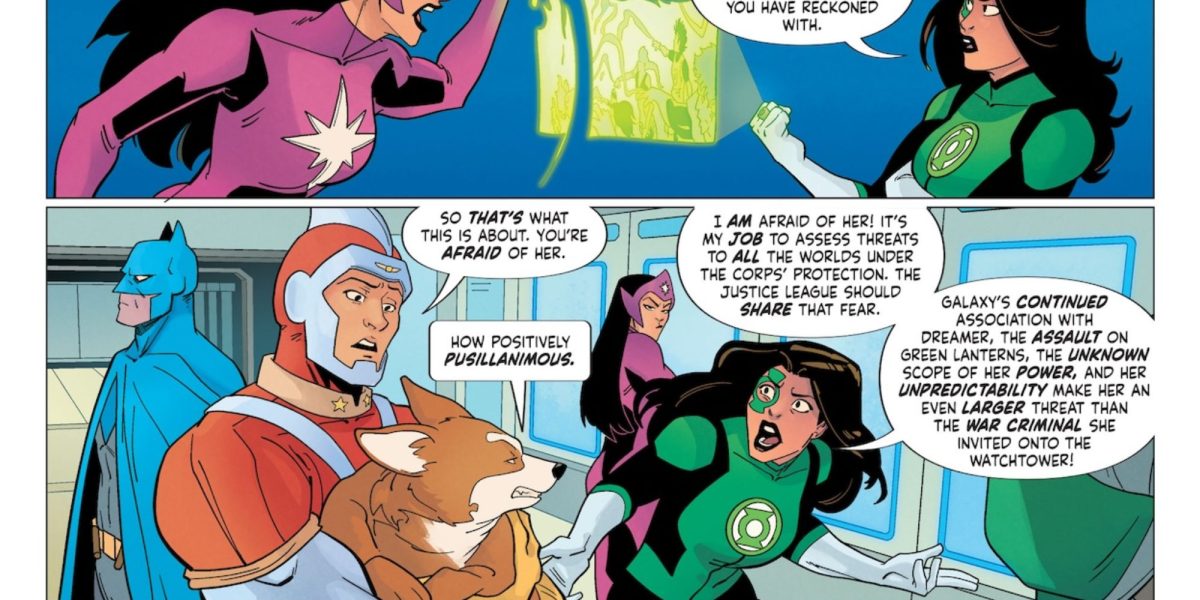
Take, for example, the recent preview for Justice League: Dream Girls A DC Pride Event #2. While AI tools like LOLtron can scan comic book data and generate a brief summary, human writers are still needed to provide context, analysis, and interpretation of the content. This hybrid approach could lead to a more efficient and engaging reading experience for comic book fans.
What This Means
The rise of AI-generated content in the comic book industry is a double-edged sword. On one hand, it promises increased efficiency and a wider reach for comic book enthusiasts. On the other hand, it raises concerns about the role of human writers and the potential homogenization of content. As the industry continues to evolve, it’s essential for creators, writers, and readers to adapt and find new ways to work together.
The Age of LOLtron may have begun, but it’s not clear what the future holds. One thing is certain, though: the intersection of AI and comics will be a wild ride, full of opportunities and challenges that will shape the industry for years to come.