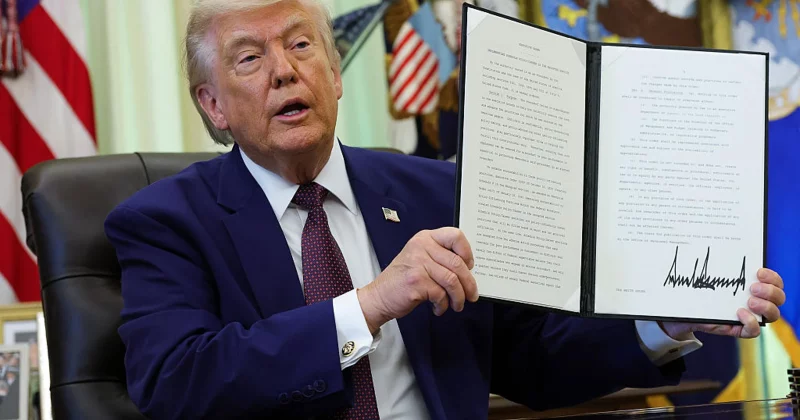
Ahead of the 2024 US presidential elections, President Donald Trump has floated a plan to grant the American public a financial stake in the AI boom, potentially democratizing tech profits.
The proposal, which has yet to gain traction, involves the US government taking equity stakes in AI companies. This move could have significant implications for the tech industry, shifting the dynamics of public investment and potentially forcing companies to reevaluate their relationships with the government.
Government Investment Strategies
The Trump administration’s earlier move into Intel, a semiconductor manufacturing company, has set the stage for this new development. By investing in AI companies, the government aims to reap financial rewards while also promoting the growth of AI in the US.
Experts argue that this approach could be a way to level the playing field, making it easier for smaller companies and startups to access funding and compete with larger corporations.
Public Investment Strategies
Some critics worry that the government’s plan could create a bias towards companies that receive public investment, potentially limiting innovation and competition.
However, proponents of the plan argue that this approach could lead to more transparent and accountable business practices, as companies would have to report their financials and strategic decisions to the government.
What this means
The proposal to take equity stakes in AI companies could reshape the way public investment strategies are developed and implemented, potentially opening up new opportunities for smaller companies and startups.
However, this move also raises questions about the role of government in the tech industry and the potential for conflicts of interest. As the debate around this proposal continues to unfold, one thing is clear: the future of AI investment is about to get a whole lot more complicated.