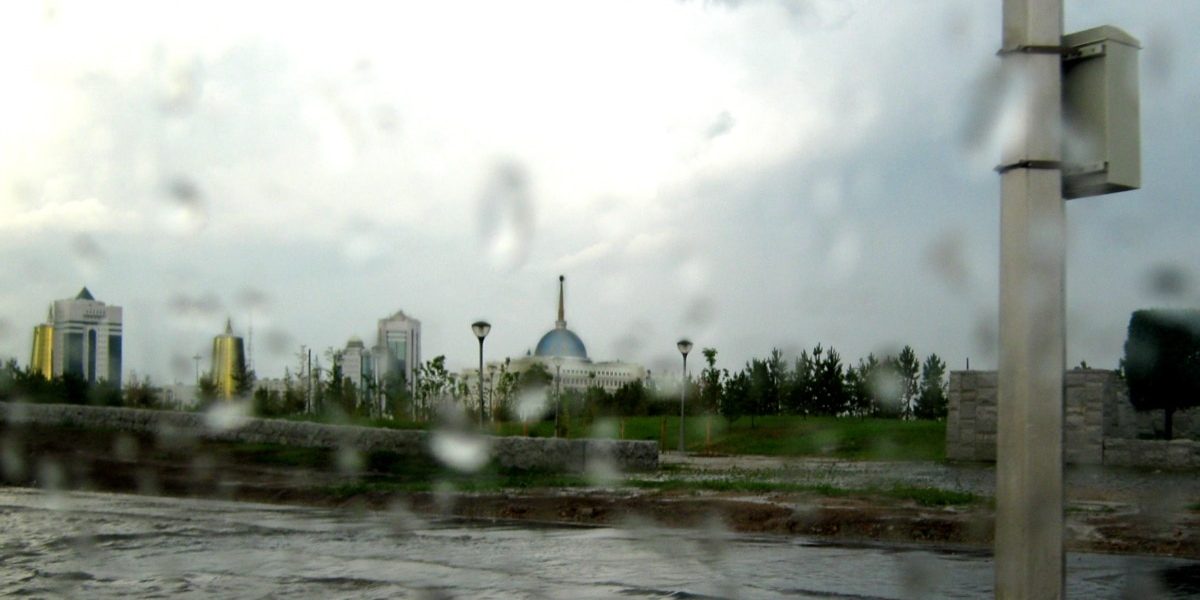
**Kazakhstan’s Cloud-Seeding Program Stirs Regional Fears**
Kazakhstan has launched a large-scale cloud-seeding program, sparking concerns among its Central Asian neighbors about the potential risks of manipulating the region’s weather.
The country is using an advanced AI-powered system to inject silver iodide into clouds, aiming to stimulate rain and alleviate drought. Kazakhstan claims this high-tech approach is necessary to combat water scarcity and desertification. But neighboring countries are worried that the program could disrupt their own weather patterns.
The AI system, developed by Russian tech firm Skolkovo’s Institute for the Development of Artificial Intelligence, uses machine learning algorithms to analyze cloud patterns and predict the optimal time for seeding. Kazakhstan has budgeted around $1.5 million for the initial phase of the program, which is expected to last two years.
**What motivates Kazakhstan’s decision**
Kazakhstan’s decision to launch the cloud-seeding program may be driven by a desire to secure more water resources for its agriculture and energy sectors. The country has faced severe droughts in recent years, which have affected over 50% of its arable land. By influencing the weather, Kazakhstan hopes to mitigate the impact of these droughts and ensure a stable food supply.
However, Kazakhstan’s neighbors are skeptical about the long-term consequences of this technology. They worry that artificial rain could lead to flooding, soil erosion, or even exacerbate water scarcity in other areas. For example, if Kazakhstan induces heavy rain, it could cause water to flow into neighboring countries, potentially disrupting their own agricultural production.
**Regional concerns and implications**
The cloud-seeding experiment has raised questions about the ethics of large-scale weather manipulation. Experts argue that such programs can have unintended effects on regional ecosystems, potentially disrupting delicate balances in the environment. Kazakhstan’s actions may also set a precedent for other countries to intervene in each other’s weather, which could lead to a series of unpredictable consequences.
The cloud-seeding program serves as a reminder that AI technologies, while promising, can also have unanticipated fallout. As we continue to develop and deploy AI systems, we must carefully consider their potential impact on the world around us.