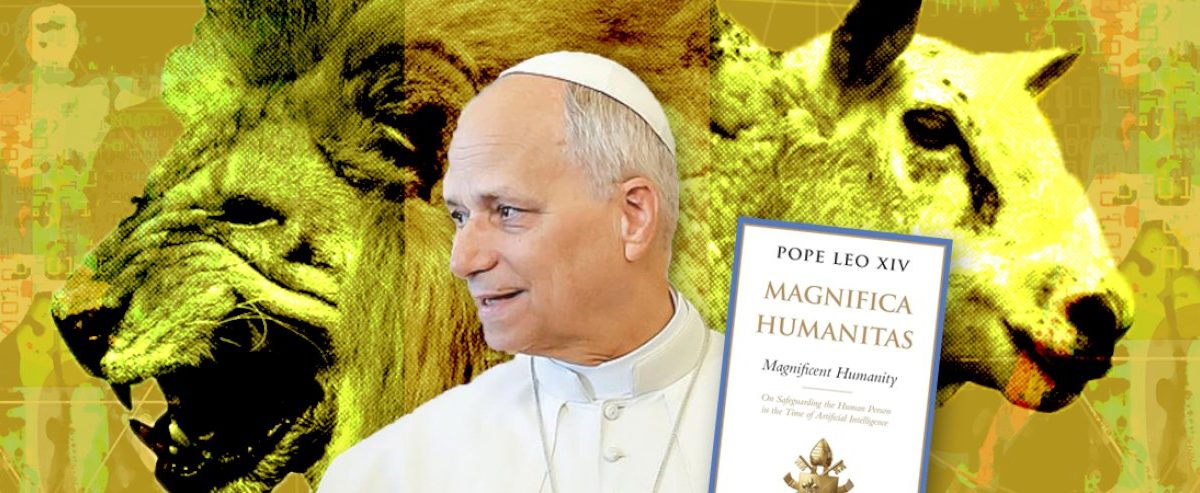
**Pope Francis’s AI Warning Sounds Alarm for Moral Tech**
Pope Francis recently issued an **encyclical that warns of the dangers of unchecked artificial intelligence**. The document, which calls for a more human-centered approach to technology, has sparked a long-overdue conversation about the ethics of AI development.
For decades, AI researchers have argued that their creations are neutral tools, capable of being used for either good or evil. **Antón Barba-Kay**, an influential AI critic, has challenged this view, suggesting that even benevolent AI systems can perpetuate harm if not designed with human values in mind.
Pope Francis’s encyclical, titled Magnifica humanitas, takes a critical stance on the intersection of technology and humanity. By emphasizing the need for a more nuanced understanding of AI’s impact, the Pope is pushing the global community to confront the darker aspects of technological progress. This includes issues like job displacement, surveillance capitalism, and the exacerbation of social inequalities.
The Pope’s call to action has resonated with a wider public, sparking a conversation about the moral implications of AI development. As **AI researchers and policymakers increasingly recognize the need for human-centered design**, the question remains: can we create AI that truly serves the greater good?
Barba-Kay’s work highlights the importance of critically evaluating the assumptions underlying AI development. By acknowledging the potential risks and downsides of AI, we can work towards creating systems that promote human flourishing rather than exacerbating existing social problems.
**What this means:**
– **Human-centered AI design** is becoming a pressing concern in the tech community.
– **Pope Francis’s encyclical** has sparked a wider conversation about the ethics of AI development.
– **Critics like Antón Barba-Kay** are pushing for a more nuanced understanding of AI’s impact on society.