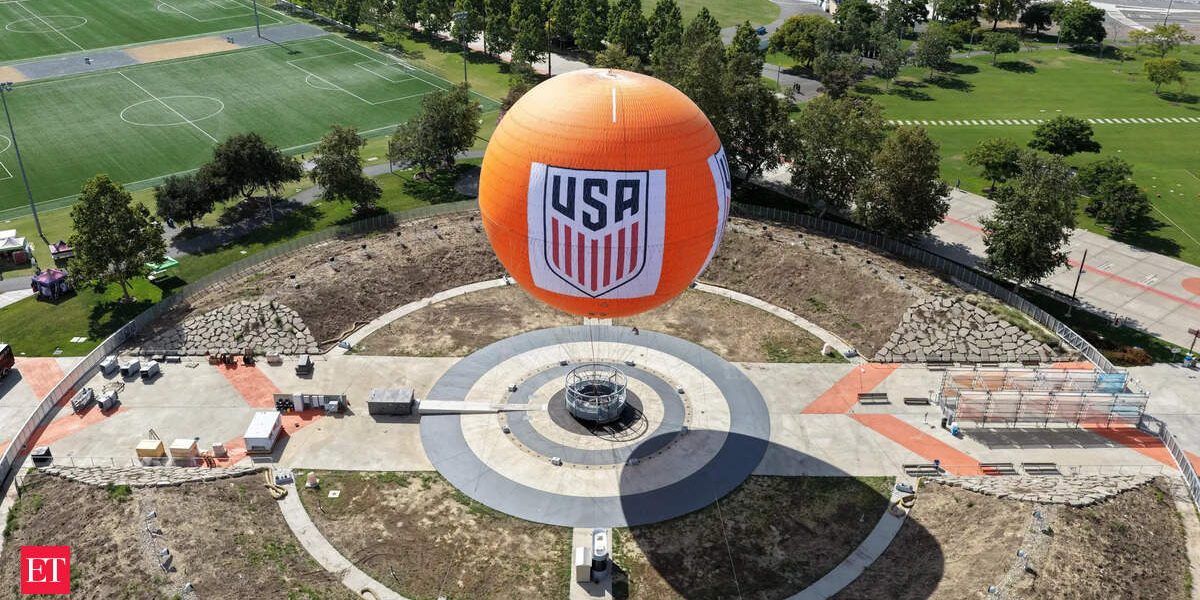
FIFA World Cup 2026 poses biggest security challenge for U.S, Canada, Mexico
The largest-ever FIFA World Cup, set to kick off in just over a week, will blanket 16 North American cities with 48 international teams, and the Trump administration’s readiness to host the event safely is being seriously questioned.
What makes this World Cup so unique?
This summer’s tournament boasts a record 104 matches, a 50% increase from the previous World Cup in Russia. The event will span across the United States, Mexico, and Canada, requiring a coordinated security effort among the three nations. The sheer scale of the event is unprecedented – and the potential for security breaches, terrorism threats, and other incidents is a serious concern.
Logistical headaches await the U.S. government
The U.S. will host 46 matches across 16 cities, including major hubs like New York, Los Angeles, and Miami. But hosting such a large event also brings its own set of logistical challenges, including managing the influx of fans, providing adequate transportation and accommodations, and coordinating with local law enforcement agencies.
What this means: With the World Cup’s massive scale and global attention, any security lapses or incidents will be scrutinized intensely, putting the Trump administration under the spotlight.
The U.S. government has been accused of being slow to provide information about its security plans, with many details remaining under wraps. “We don’t want to reveal too much about our security procedures, but rest assured, we’re taking it very seriously,” said a spokesperson for the U.S. Department of Homeland Security, who wished to remain anonymous.
While details about the security plans are scarce, experts warn that the U.S. needs to have a robust security framework in place to prevent potential security breaches. “With the World Cup comes a significant risk of terrorism, hooliganism, and other incidents,” said Dr. Markus K. Potter, a security expert who specializes in international events. “The U.S. needs to be prepared for the worst-case scenario and have a comprehensive plan in place to mitigate any risks.”