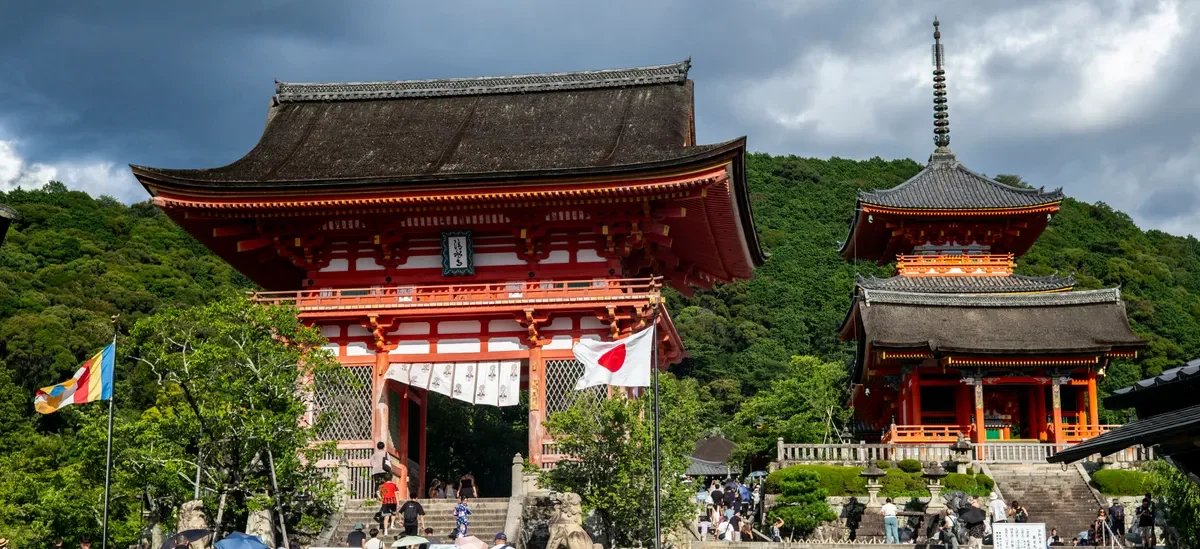
A 20-year-old Auburn University student was found dead in the mountains outside Kyoto, Japan, after a weeklong search effort.
Weston Higginbotham, a junior at Auburn, vanished during a family trip to Japan on April 21. His family issued a plea for help after he failed to return from a hike in the mountains with a tour group.
AI Tools Helped in the Search
While the cause of Higginbotham’s death remains unclear, AI-powered tools played a significant role in the search efforts. According to reports, Japanese authorities used machine learning algorithms to analyze satellite images of the mountain region, helping to identify potential locations where Higginbotham might have been. Additionally, drones equipped with thermal imaging cameras were deployed to scour the area for signs of the missing student.
The use of AI in search and rescue operations is becoming increasingly prevalent, especially in challenging terrains like Japan’s mountainous regions. AI algorithms can quickly process vast amounts of data from multiple sources, such as satellite imagery, GPS signals, and eyewitness accounts, to identify patterns and potential leads.
Implications for Emergency Response
The use of AI in search and rescue operations has significant implications for emergency response efforts. By leveraging machine learning algorithms, responders can rapidly assess situations, prioritize resources, and allocate search teams more effectively.
This technology has the potential to save lives by reducing the time and effort required to locate missing persons. However, it also raises questions about the role of AI in search and rescue operations, particularly in remote or hard-to-reach areas.
What This Means
The tragic loss of Weston Higginbotham serves as a reminder of the importance of leveraging technology in search and rescue efforts. The use of AI in these situations can be a powerful tool for responders, but it must be balanced with human expertise and judgment to ensure effective and efficient operations.