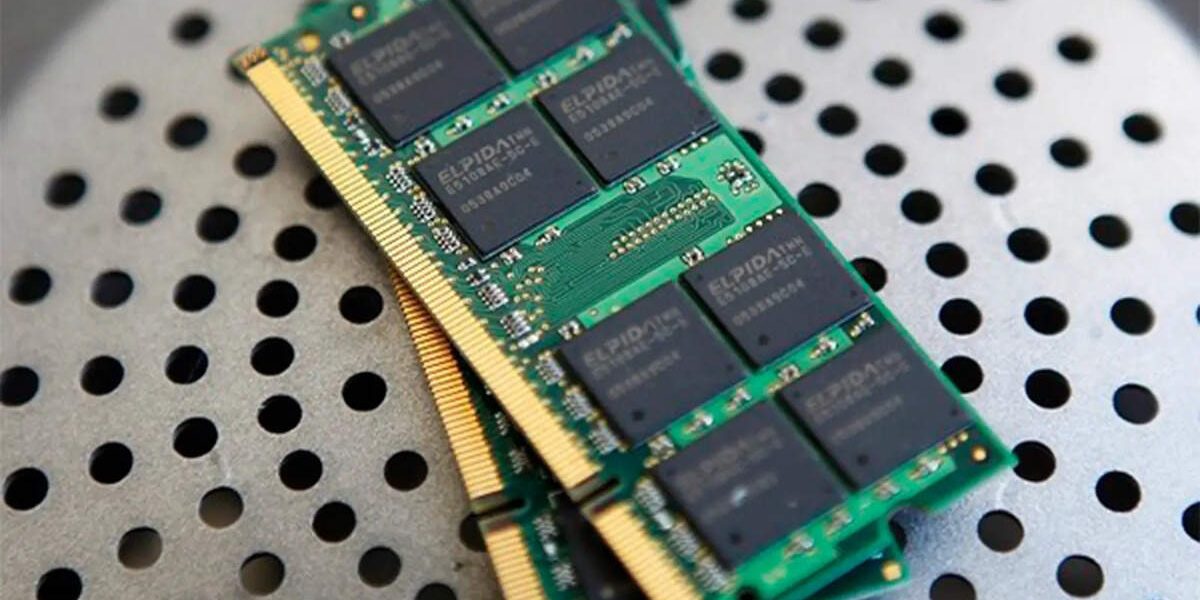
Yangtze Memory Technologies Corp, China’s top NAND flash maker, has revealed plans to go public, just as its top DRAM producer, ChangXin Memory Technologies, is also moving forward with an initial public offering (IPO) – a development that suggests Chinese memory chipmakers are gaining momentum in the global AI memory market.
Market disruption?
The surge in demand for AI-related memory chips is creating a fertile ground for Chinese companies to make inroads in the global market. Yangtze and ChangXin are leading this charge, and their IPO plans are seen as a significant step in their ambitions to challenge the dominance of global semiconductor leaders like Samsung and SK Hynix.
According to a report, Yangtze, a major player in the $50 billion NAND flash market, has already received backing from prominent investors, including state-owned investment firm Tsinghua Unigroup. ChangXin, on the other hand, has secured investments from several well-known firms, including state-owned IC chipmaker SMIC.
Government support
China’s government has been actively promoting the development of its domestic semiconductor industry, which has led to a surge in investment and research in AI-related memory chips. The country’s National Development and Reform Commission has set ambitious targets for the domestic semiconductor sector, aiming to reach $300 billion in sales by 2025.
The government’s support has paved the way for companies like Yangtze and ChangXin to scale up their operations and expand their market presence. As a result, these Chinese memory chipmakers are now well-positioned to compete with established players in the global market.
What this means
The emergence of Chinese memory chipmakers in the global market could lead to increased competition, which would drive innovation and improve quality. For consumers, this could result in better pricing and more choices. However, it also raises concerns about dependence on foreign suppliers, especially in critical sectors like defense and aerospace.