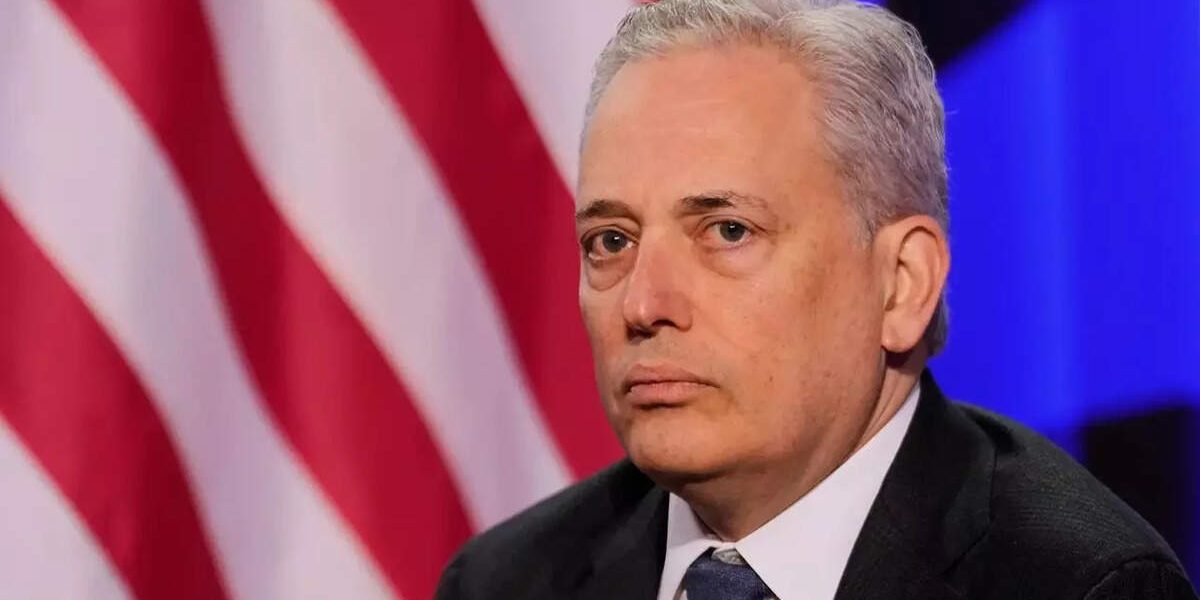
The former White House AI czar, David Sacks, is sounding the alarm: the potential for government control over AI could morph the technology into a tool for curating reality.
A Threat to Free Expression?
Sacks, chair of the President’s Council of Advisors on Science and Technology, recently criticized a proposal from US Senator Bernie Sanders to give the public a 50 per cent ownership stake in major American AI companies. The plan aims to democratize AI development and potentially make these companies more accountable to the public.
However, Sacks worries that this could actually lead to more government control over AI and the information it disseminates. He fears that a majority ownership stake could give governments significant leverage over AI companies, allowing them to shape the narrative and potentially censor dissenting views.
The Curated Reality Paradox
Sacks’ warning isn’t about the potential for AI to moderate online content – it’s about its role in shaping our understanding of the world. AI algorithms are already used to personalize what we see in our news feeds, but Sacks is concerned that government-controlled AI could take this to the next level.
Imagine a world where AI not only shows you what your friends and family are most interested in, but also manipulates the information it presents to fit a particular agenda. This could lead to a “curated reality” where people’s perceptions of the world are shaped by a select group of influencers – including, potentially, governments.
What this means: Sacks is cautioning against giving governments too much control over AI. As AI becomes increasingly ubiquitous, it’s essential to ensure that these technologies remain neutral and serve the public interest – not just the interests of those in power.