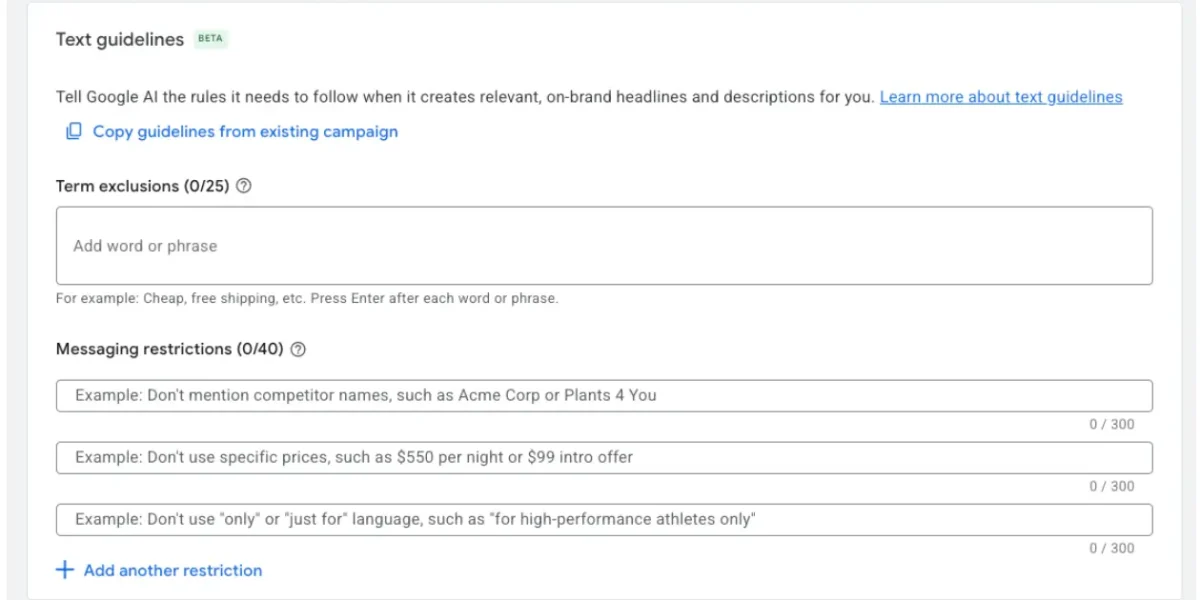
Google is killing off Dynamic Search Ads (DSA) in September 2026, forcing an abrupt switch to AI Max for all users, regardless of experience level.
**What’s driving the change?**
Google’s algorithm has advanced significantly since DSA’s introduction in 2009. AI Max, on the other hand, is built on the foundation of Google’s proprietary machine learning technology, which enables it to analyze complex patterns, user behavior, and more efficiently optimize ad performance. By migrating to AI Max, Google aims to provide advertisers with more accurate and reliable ad targeting.
**How will this impact your campaigns?**
The shift from DSA to AI Max requires careful planning to minimize disruptions and ensure a smooth transition. Advertisers need to reassess their existing campaigns, as AI Max uses a different ad targeting approach that focuses on user intent, search history, and real-time signals. This means your ad copy, keyword strategy, and landing page optimization will need to be adjusted to maximize AI Max’s capabilities.
**Preparation is key**
To prepare for the AI Max switch, follow these essential steps:
* Review your current DSA campaigns and identify areas that require optimization.
* Update your landing pages to align with AI Max’s user intent-based targeting.
* Adjust your ad copy and keyword strategy to prioritize relevance and user engagement.
* Ensure your conversion tracking is set up and functional to measure AI Max’s performance accurately.
* Plan for a thorough testing phase to fine-tune your campaigns and maximize ROI.
**What this means for you**
The sunset of DSA and the AI Max switch present an opportunity for advertisers to refine their marketing strategies and improve ad performance. By adapting to AI Max’s advanced targeting capabilities, you can enhance user engagement, increase conversion rates, and reduce waste in your ad spend.