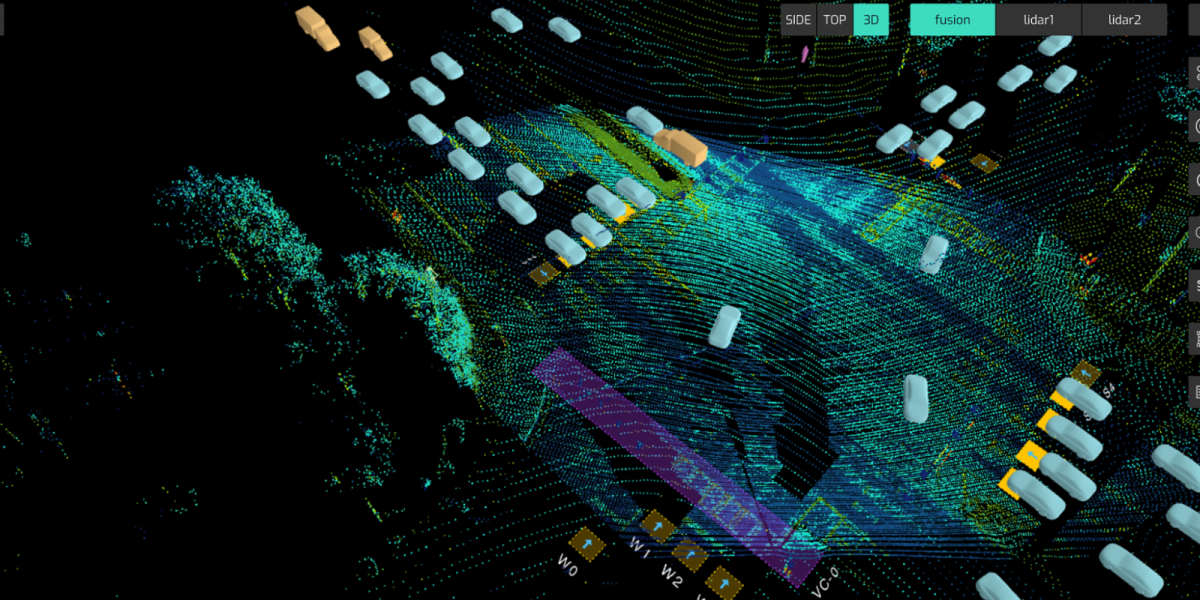
Fixed Infrastructure LiDAR Revolutionizes Urban Planning
Cities are waking up to the potential of LiDAR – Light Detection and Ranging – technology, but it’s not just for autonomous cars anymore. **1,500 LiDAR sensors** are being installed across various cities worldwide, transforming fixed infrastructures like bridges, lampposts, and building facades into 3D data-gathering hubs.
The shift from mobile to fixed LiDAR infrastructure is driven by urban planning and management needs. Cities need accurate, up-to-date information about their infrastructure and surroundings to optimize traffic flow, reduce maintenance costs, and enhance public safety. By placing LiDAR sensors on fixed structures, cities can obtain high-resolution 3D models of their surroundings 24/7, without the need for expensive and time-consuming manual surveys.
LiDAR’s Role in Smart City Development
LiDAR technology has been a key component of smart city development, but it’s no longer confined to the roof of self-driving cars or the “head” of warehouse robots. **Cities like Seattle and Barcelona have already started deploying LiDAR sensors on their fixed infrastructures**, creating a robust 3D mapping system that supports a range of applications, from optimizing public transportation to managing pedestrian flow.
Imagine a city where every streetlight, traffic signal, and building façade is equipped with LiDAR sensors, providing real-time data on traffic patterns, pedestrian movement, and environmental conditions. This information enables cities to make data-driven decisions, reducing congestion, improving air quality, and enhancing the overall quality of life for citizens.
What This Means for Cities
The deployment of LiDAR sensors on fixed infrastructures marks a significant shift in urban planning and management strategies. **What this means for cities is the ability to transform data into actionable insights**, informing decisions that improve the lives of citizens and enhance the resilience of urban ecosystems. As LiDAR technology becomes more widespread, we can expect to see cities become more efficient, sustainable, and responsive to the needs of their residents.