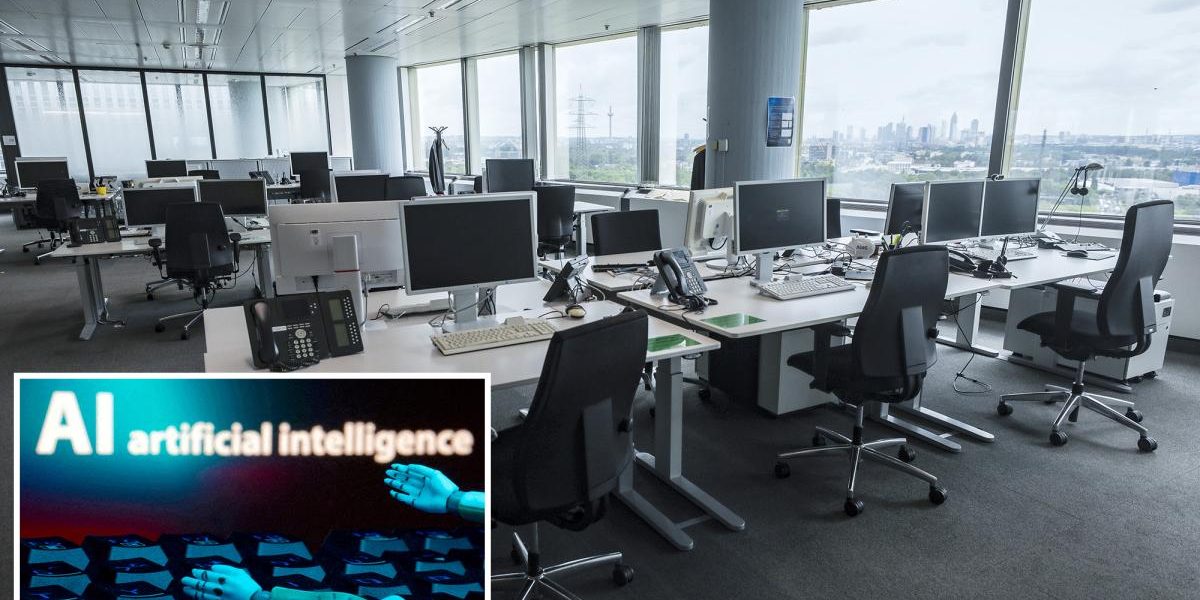
For the first time ever, AI and bot internet activity has surpassed human use, accounting for more than half of all online traffic – a staggering shift in how we interact with the web.
A report by CNBC revealed that automated AI programs created for human users saw a massive increase of around 8,000% in online activity last year alone. This sudden rise has brought about a fundamental change in the dynamics of the internet, where machines are now driving a significant portion of online interactions.
What’s driving this surge?
Behind the scenes, these automated AI programs, often used by websites and services to improve user engagement, are generating an enormous amount of internet traffic. They’re designed to perform repetitive tasks, such as responding to comments or processing transactions, but in doing so, they’re consuming vast amounts of bandwidth and internet resources.
The implications are far-reaching
As AI and bot internet activity continues to grow exponentially, there are concerns about its impact on internet infrastructure, data security, and user experience. With more and more websites relying on automated programs to handle tasks, the risk of bot-generated traffic being used for malicious purposes, such as spreading spam or hacking, is also on the rise.
The future of the internet
This seismic shift in online activity has significant implications for how we interact with the internet and what we expect from online services. As automated AI programs become an increasingly dominant force online, it’s likely that websites and services will need to adapt to this new reality, investing heavily in AI-driven infrastructure and security protocols to keep up with the demand.
**What this means**: For users, it’s a sign that websites and services are relying more heavily on automated systems to manage online interactions – a trend that’s likely to continue. As a result, we can expect to see changes in how websites and services are designed, with a greater emphasis on AI-driven interfaces and automated support systems.