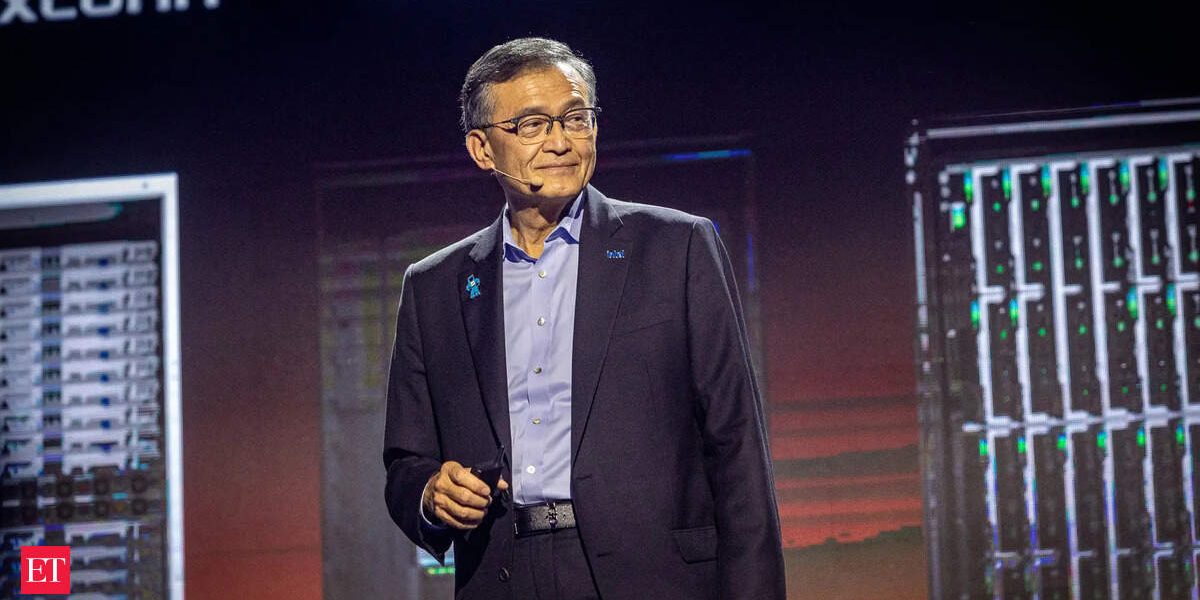
Intel is shifting its AI strategy from chip manufacturers to full-fledged AI system builders. This move makes sense as more businesses deploy AI applications in various industries.
From Chips to Complete Systems
For years, the main focus in AI was on developing larger models and faster GPUs to train them. However, this approach has its limitations, especially as AI applications become more widespread in various sectors. Intel, one of the key players in the AI hardware space, has now decided to move up the stack and focus on building complete AI systems and infrastructure.
This shift is not surprising, given the changing landscape of AI development. With the growth of AI, the bottleneck has moved from model size and training speed to inference, or the process of putting AI models into action. Inference is the part where AI is applied to real-world problems, making it a critical component of AI systems.
What this means
Intel’s new strategy will allow the company to provide more comprehensive solutions for enterprises deploying AI. This means they can offer a complete stack, from chip design to system integration, making it easier for businesses to implement AI solutions. In simpler terms, Intel wants to make AI more accessible and easier to use for non-experts.
This move also puts Intel in a better position to compete with other players, such as NVIDIA and Google Cloud, which have been investing heavily in AI infrastructure. By moving up the stack, Intel can offer a more complete solution that meets the needs of enterprises, rather than just providing a component of the AI system.
A New Era for AI
The shift from training to inference marks a new era for AI development. As AI applications become more widespread, the focus will be on making AI systems more efficient, scalable, and accessible. Intel’s move up the stack is a significant step in this direction, and it will be interesting to see how other players respond to this new landscape.
In essence, Intel’s new strategy is a response to the changing needs of the AI market. As AI continues to grow, the industry will require more comprehensive solutions that can meet the demands of businesses and individuals alike. With this move, Intel is positioning itself to play a key role in the future of AI development.