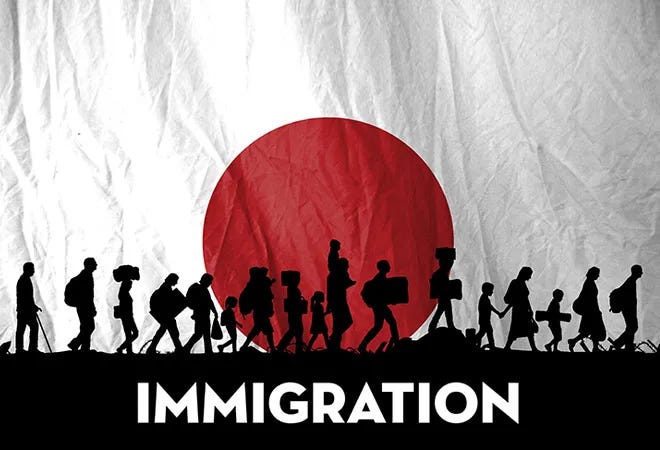
A supermajority in Japan’s February 2026 elections has given Prime Minister Sanae Takaichi control over immigration policy, but with a surprising twist: she’s vowed to take in zero immigrants.
The ‘Kokumin Kokoro’ Plan
Takaichi’s election campaign centered around a slogan: Revitalize the economy, strengthen national defense, and preserve cultural heritage. She’s dubbed her immigration strategy ‘Kokumin Kokoro,’ which roughly translates to ‘Nation of the People’s Hearts.’ The plan aims to maintain Japan’s cultural identity and reduce economic competition by limiting foreign workers.
Under Takaichi’s leadership, Japan’s immigration agency will prioritize granting residency to foreign spouses of Japanese citizens and a select few highly skilled workers who meet specific criteria. But the majority of foreign workers will be barred from entering the country.
Economic and Demographic Consequences
The move has sparked debate among experts, who warn that it may exacerbate labor shortages and contribute to Japan’s already-aging population. The country’s population has been declining since 2010, and a shrinking workforce poses significant challenges to the economy.
According to the World Bank, Japan’s population is projected to decline by 30% by 2060. This not only reduces the country’s tax base but also increases the burden on younger generations. With a decrease in the working-age population, Japan may struggle to maintain its standard of living and support its social welfare programs.
What this means
Takaichi’s ‘Kokumin Kokoro’ plan may have won her electoral support, but its long-term consequences are uncertain. By limiting immigration, Japan may temporarily alleviate economic competition but ultimately exacerbate its labor shortages and demographic challenges. It remains to be seen whether this strategy will preserve Japan’s cultural heritage or merely delay the inevitable demographic shift.
One thing is clear, though: Japan’s immigration policy will significantly impact the country’s economic and demographic trajectory in the years to come.