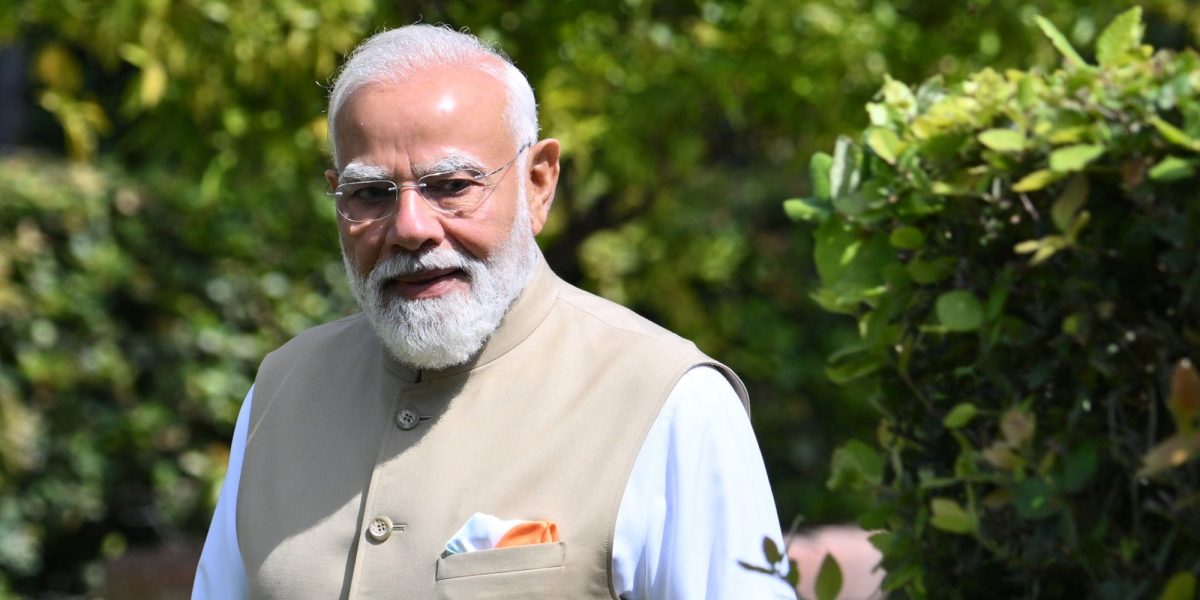
Indian Prime Minister Narendra Modi is facing a tough reality check at home and abroad, with growing concerns about the country’s economic trajectory.
The government appears defensive, and experts are sounding the alarm. In a scathing opinion piece at The Wall Street Journal, Sadanand Dhume argues that India is losing its economic edge, and it’s all due to poor governance and mismanagement.
What’s Driving India’s Economic Stagnation?
India’s economy has been facing several challenges, including a sharp slowdown in growth, a decline in investments, and a rise in unemployment. The country’s GDP growth rate has been steadily declining since 2016, with the World Bank predicting a dismal 4.8% growth rate for the current fiscal year. This is a far cry from the 8% growth rate that many had expected.
The government’s failure to create jobs and stimulate economic growth has led to a rise in poverty and inequality. The poverty rate in India has been increasing steadily, and the country’s middle class is shrinking. This is a worrying trend, as a shrinking middle class means a smaller consumer market, which can have a ripple effect on the economy.
Modi’s Economic Vision Unfolding
When Modi came to power in 2014, he had a bold vision for India’s economy. He promised to modernize the country’s economy, increase investments, and create jobs. However, his policies have been widely criticized for being too focused on big-ticket infrastructure projects, and not enough on creating a more inclusive economy.
Experts argue that the government’s economic policies have been too centralized, and have neglected the needs of small and medium-sized enterprises (SMEs). SMEs are the backbone of India’s economy, and they provide employment to millions of people. However, they have been struggling to access finance, and the government’s policies have not been supportive of their growth.
What This Means for India’s Future
The economic slowdown in India poses a significant threat to the country’s future. If the government fails to address the economic challenges, it could lead to widespread poverty, social unrest, and a decline in living standards. The government needs to implement policies that create jobs, stimulate economic growth, and make the economy more inclusive. Anything less would be a recipe for disaster.