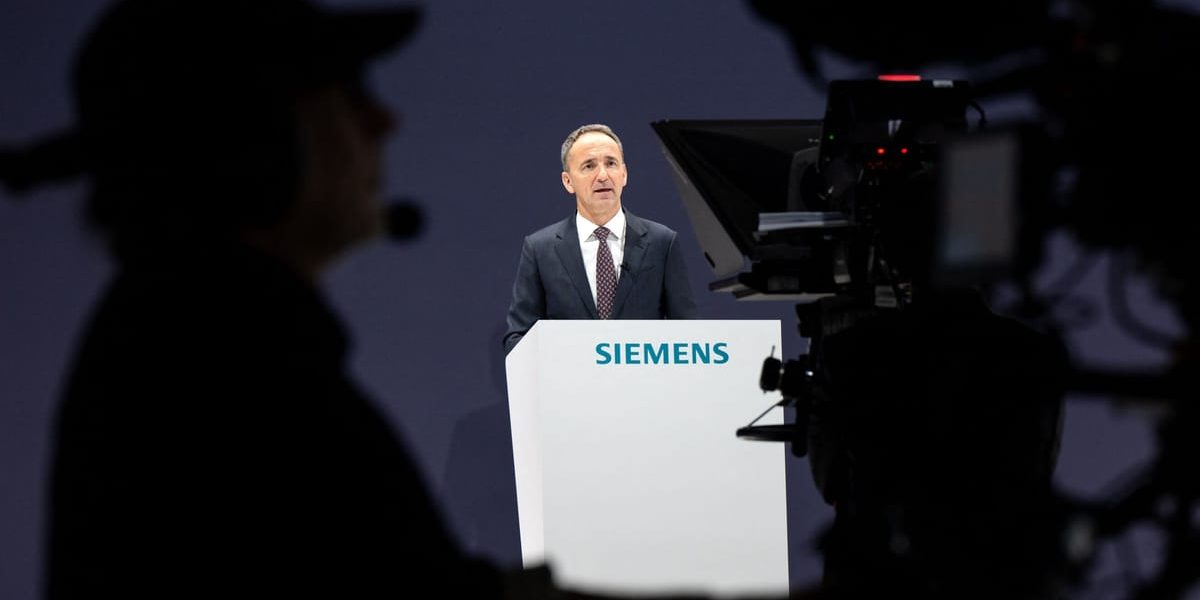
European Commission president Ursula von der Leyen has picked a new adviser to help shape the EU’s AI strategy, but the choice has sparked conflict-of-interest concerns. Jim Hagemann Snabe, the current chairman of Siemens and a former CEO of SAP, will now advise von der Leyen and tech chief Henna Virkku on industrial AI applications.
Snabe’s appointment has raised eyebrows due to his close ties to the tech industry. As the chairman of Siemens, he’ll be advising the Commission on policies that could directly impact his company’s business. Siemens is a leading manufacturer of industrial technology, including AI-powered machines and automation systems.
As a former CEO of SAP, Snabe also has a significant background in the software industry. SAP is a major player in the European tech scene, providing AI-powered tools to businesses and governments alike. Snabe’s experience in the industry has led critics to question whether he’ll be able to provide unbiased advice.
Industry Ties Cloud von der Leyen’s AI Vision
Von der Leyen has emphasized the need for an inclusive and transparent approach to AI governance. However, Snabe’s appointment seems to contradict this vision. His close ties to the tech industry could create a conflict of interest, where his personal connections compromise his ability to provide objective advice.
The Commission has faced criticism in the past for its close relationships with industry leaders. This latest move has sparked concerns that von der Leyen’s AI strategy will be shaped by the interests of big tech, rather than a broader set of stakeholders.
What this means: EU AI Strategy in Question
Snabe’s appointment is a setback for von der Leyen’s ambition to create a more inclusive and transparent AI governance framework. It’s not clear whether the Commission will revise its strategy in response to the controversy. If not, it may undermine the EU’s ability to develop effective AI policies that benefit all citizens.
For now, it’s unclear how Snabe’s industry ties will impact the Commission’s AI strategy. As the EU’s AI regulatory landscape evolves, one thing is certain: the Commission’s ability to balance industry interests with the public good will be put to the test.