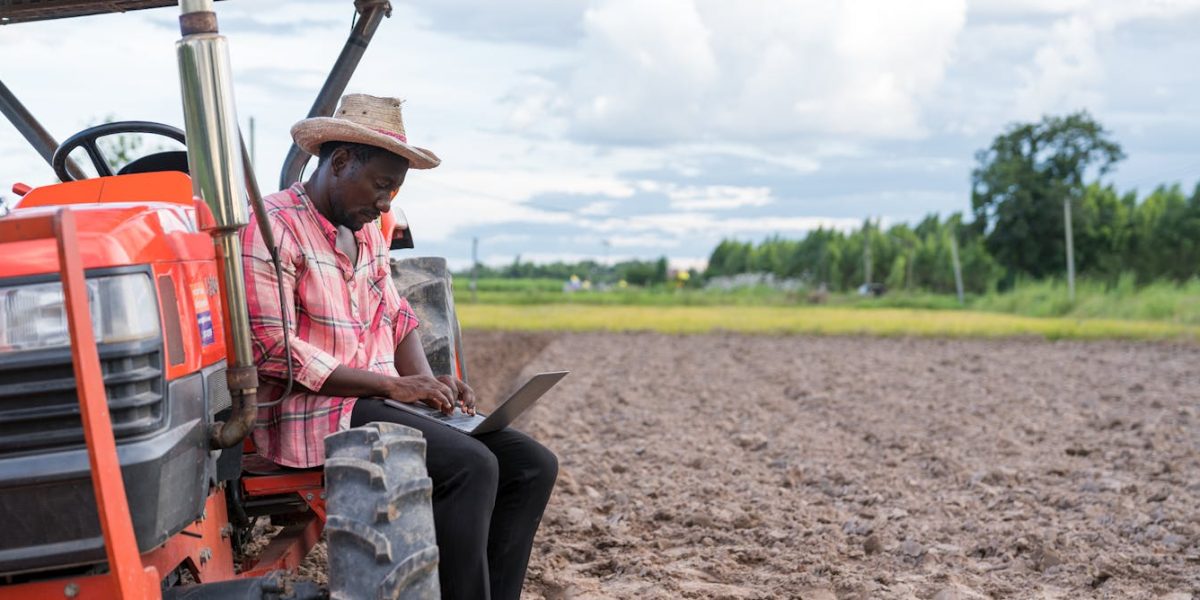
Smallholder Farmers Risk Being Left Behind in Agriculture’s AI Revolution
African smallholder farmers are facing an existential threat from the very technology meant to save them: AI-powered farming tools. These innovations, hailed as a panacea for agriculture’s woes, need a drastic overhaul to cater to the needs of developing nations.
The stakes are sky-high, with climate change, land degradation, labor shortages, supply chain disruptions, and a burgeoning global population pushing agriculture to the brink. AI can help alleviate these pressures by optimizing crop yields, predicting diseases, and streamlining logistics. However, the tools currently available are woefully unsuitable for smallholder farmers in Africa and other developing regions.
The problem lies in the tools’ reliance on digital infrastructure, which is often lacking in these areas. Many smallholder farmers lack access to the internet, smartphones, or even basic irrigation systems. AI-powered farming tools, designed with Western agriculture in mind, fail to account for these contextual challenges.
The Gap Between Promise and Reality
Agriculture is the backbone of many economies in developing nations, with smallholder farmers accounting for up to 80% of food production in some African countries. The adoption of AI-powered farming tools could have a transformative impact on their livelihoods. However, the current tools are often expensive, requiring significant upfront investments in hardware and training.
Additionally, the high-tech solutions often fail to address the specific needs of smallholder farmers, such as crop diversity, soil conservation, and pest management. The tools’ focus on increasing yields and efficiency overlooks the complexities of farming in developing regions, where farmers often lack access to resources and markets.
A Call to Action
To avoid exacerbating the divide between smallholder farmers and the rest of the agricultural sector, AI tool developers must prioritize contextual relevance. This requires a fundamental shift in their design approach, one that acknowledges the unique challenges and opportunities of developing nations.
What this means
What this means is that AI tool developers should prioritize affordability, ease of use, and customization for smallholder farmers. This might involve developing tools that can be used with basic mobile phones or even simple voice assistants. By bridging the digital divide, we can unlock the full potential of AI-powered farming and ensure that smallholder farmers are not left behind in the agricultural revolution.