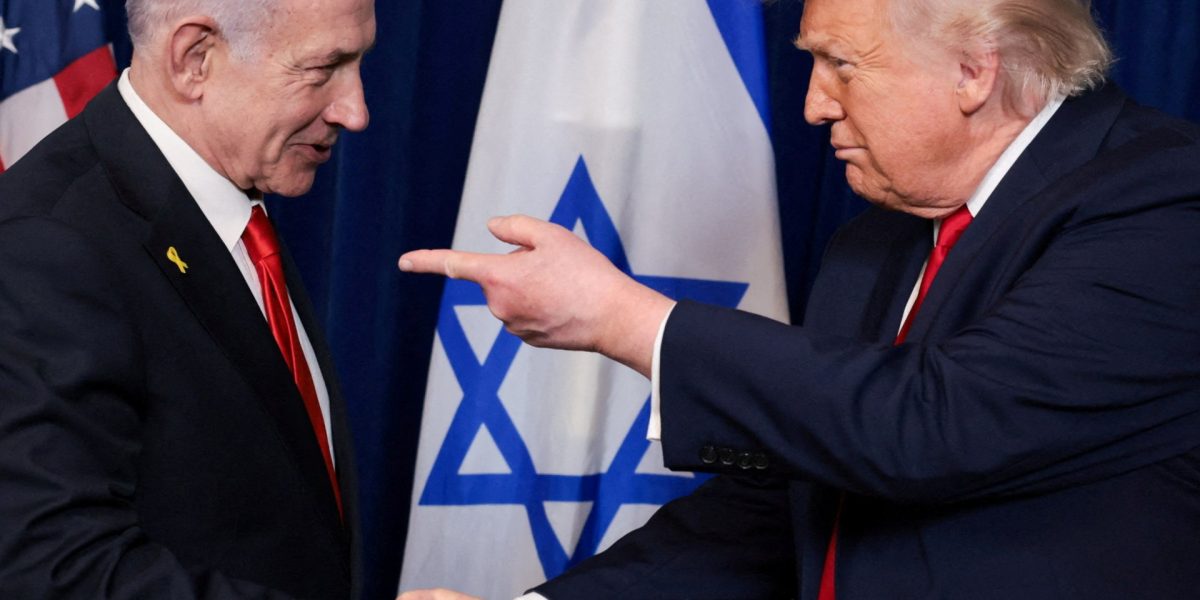
A secretive US Congressional plan aims to further entangle the Israeli military in US national security policy.
The plan, quietly being pushed forward by lawmakers, seeks to strengthen military ties between the US and Israel to an unprecedented extent. According to analysts, this would mean that Israeli military interests would become even more deeply intertwined with those of the United States, essentially weaving them into the very fabric of US national security policy.
What’s in the plan?
Expanded Defense Cooperation
The proposed plan includes provisions that would expand defense cooperation between the US and Israel, potentially including joint research and development of new military technologies, increased cooperation on defense procurement, and enhanced counter-terrorism operations.
Increased Intelligence Sharing
The plan also calls for increased intelligence sharing between the two countries, which would allow the Israeli military to access sensitive US intelligence and vice versa. This could potentially strengthen the capabilities of the Israeli military in the region, but also raises concerns about the potential for sensitive information to be leaked or compromised.
Why it matters
The expansion of military ties between the US and Israel has significant implications for regional stability and global security. If passed, the plan would solidify the US’s commitment to Israel as a key partner in the region and reinforce the country’s position as a dominant military power in the Middle East.
However, this also raises concerns about increased militarization in the region and the potential for further conflict. Additionally, the plan’s emphasis on defense cooperation and intelligence sharing may create new challenges for the US in terms of maintaining its independence and making its own decisions on foreign policy.
What this means
For the US, this plan could mean a strengthening of its alliance with Israel and a greater commitment to regional security. However, it also raises questions about the balance between supporting a key ally and potentially creating new challenges for US foreign policy. Ultimately, the passage of this plan will depend on the ability of lawmakers to strike a balance between these competing interests and to address the concerns of critics.
US lawmakers are expected to debate the plan in the coming weeks and months, with a vote on final passage likely in the near future.