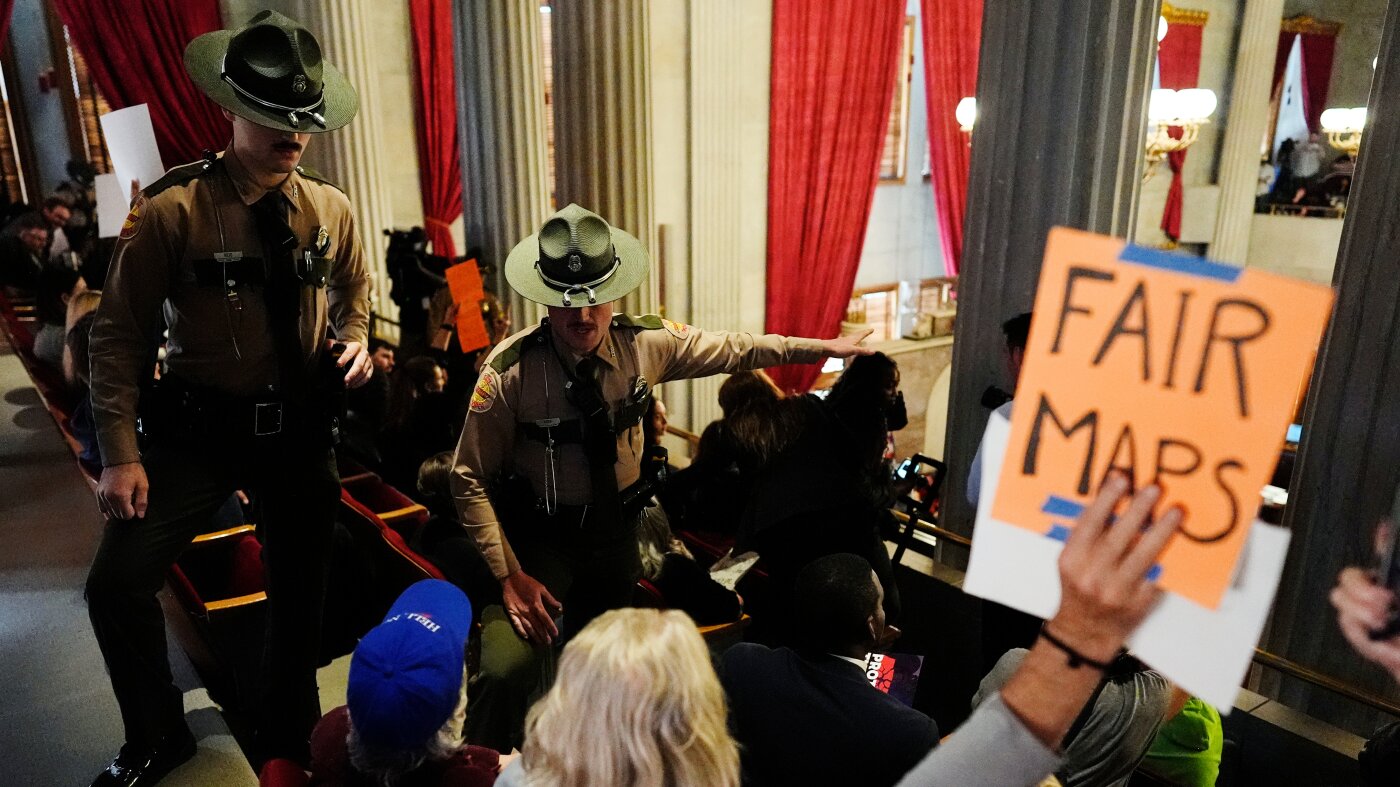
Shelby County, home to majority-Black Memphis, is set to be carved up into three separate congressional districts under a new map passed by Tennessee Republicans. The move aims to eliminate the state’s lone Democratic-held seat.
The new map, which now awaits approval from the Tennessee General Assembly, would divide the county into three districts: one with an African American majority, another with a mix of Black and white voters, and a third with a predominantly white voting base. The goal is to reduce the influence of Democratic voters in Memphis, particularly those in the African American community.
Bipartisan opposition remains fierce
Tennessee House Democrats are already voicing their opposition to the new map, with Representative John Ray Clemmons calling it “a blatant attempt to disenfranchise the people of Memphis.” The Tennessee Democratic Party has long argued that the map is unconstitutional and designed to suppress the voting power of minority groups.
Shelby County’s current makeup
Shelby County currently makes up the 9th Congressional District, which is represented by Democrat Steve Cohen. Cohen’s district has a population of 725,000, with a majority of 60% residing in Memphis. The district is 55% African American, while 37% are white.
Under the proposed map, the Memphis area would be split among three separate districts, each with its own unique demographic makeup. The districts would be designed to reduce the concentration of Democratic voters in the area, making it harder for them to win electoral contests.
Tennessee’s Republican-controlled legislature
Tennessee’s Republican-controlled legislature has a long history of gerrymandering, and this new map is just the latest example. Critics argue that the move is a classic case of partisan politics, where politicians use redistricting as a tool to maintain power and suppress minority groups.
The new map still requires approval from the Tennessee General Assembly, and it’s unclear what impact it will have on the state’s electoral landscape. However, one thing is certain: the proposed changes will likely have a significant impact on the lives of voters in Shelby County and across Tennessee.