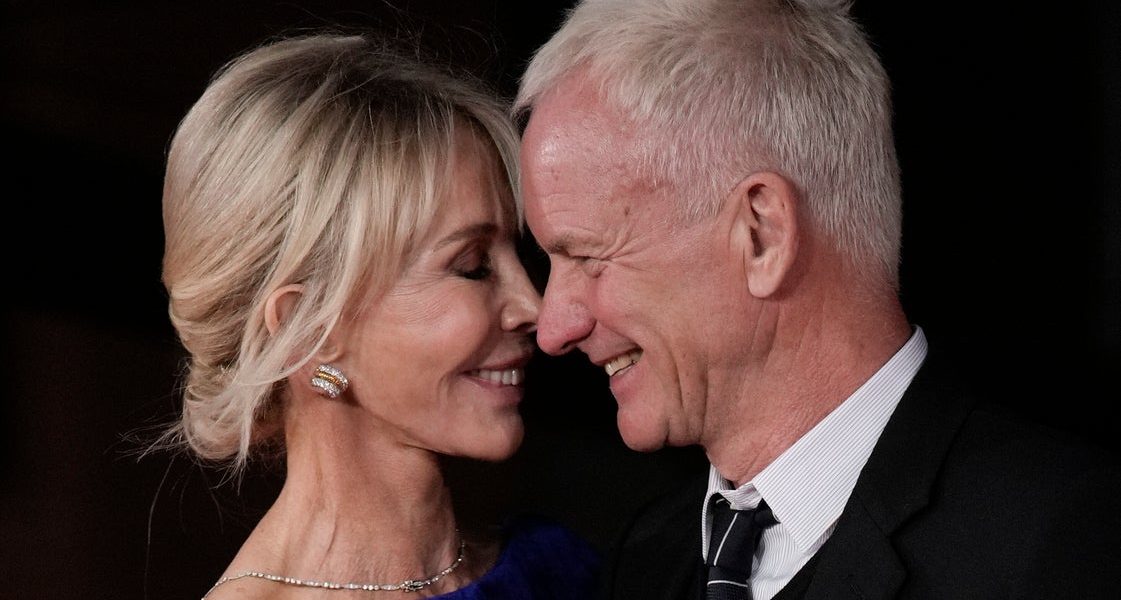
Legendary musician Sting is making waves with his thoughts on toxic masculinity.
As the Grammy-winning singer prepares for the West End premiere in London of his musical “The Last Ship,” he’s been sharing his insights on what he believes is driving the rise of toxic male behavior. According to Sting, this phenomenon might be a direct response to the societal changes brought about by feminism.
The Origins of Toxic Masculinity
Sting points out that the term “toxic masculinity” was first coined by a men’s movement in the 1980s as a reaction to second-wave feminism. This movement sought to rebrand traditional masculinity in a negative light, but Sting believes that this backlash may have had an unintended consequence: the amplification of toxic traits.
He suggests that as men struggled to adapt to the changing social landscape, some may have retreated into a narrow definition of masculinity, embracing aggressive and misogynistic behaviors as a way to reclaim their power and status.
The Consequences of Toxic Masculinity
Sting’s theory raises important questions about the role of societal expectations in shaping male behavior. By perpetuating a narrow and rigid definition of masculinity, we may be inadvertently creating an environment where men feel pressured to conform to these norms, even if it means suppressing their emotions and resorting to aggressive behavior.
What this means: Sting’s theory highlights the need for a more nuanced conversation about masculinity and the ways in which societal expectations can contribute to toxic behavior. By acknowledging the complex interplay between social and cultural factors, we can work towards creating a more inclusive and supportive environment for men and women alike.