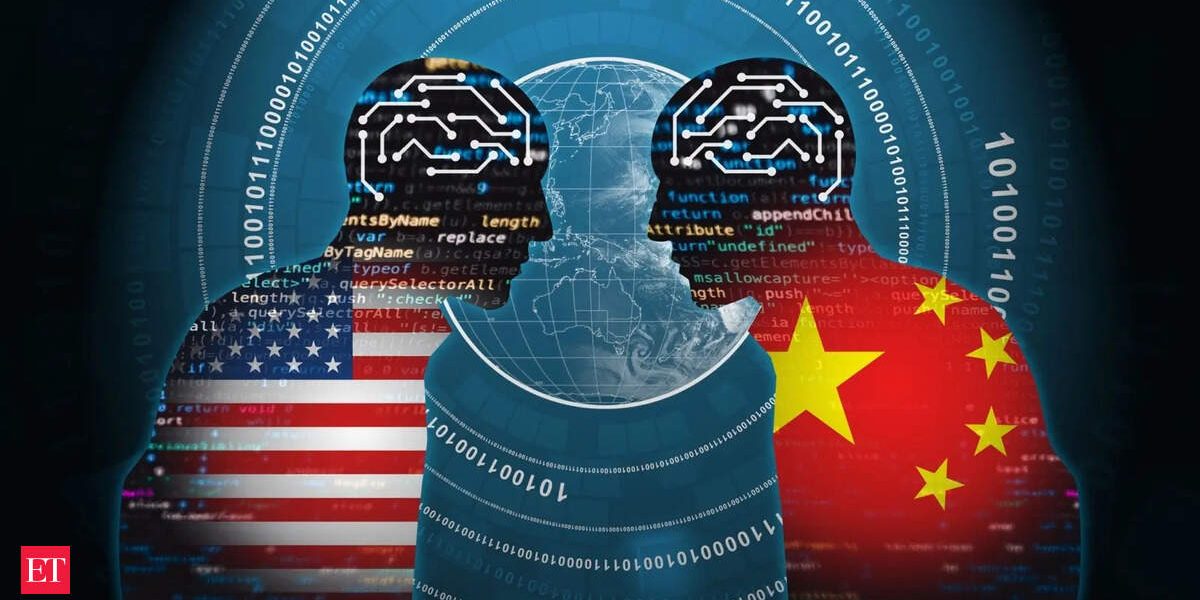
US Cyber Command Faces Growing Concerns Over China’s Rampant Cyber Capabilities
China’s cyber capabilities have increased exponentially over the past decade, with US officials warning that Beijing-linked hackers have successfully infiltrated critical infrastructure, telecommunications networks, and strategic systems.
The alarming trend has raised eyebrows at US Cyber Command (CYBERCOM), the military branch responsible for defending the country’s digital realm, as it struggles to keep up with China’s aggressive cyber expansion. With the US facing an unprecedented threat from China, the question on everyone’s mind is: is US Cyber Command falling behind?
Rethinking the CYBERCOM 2.0 Strategy
CYBERCOM 2.0, a revamped strategy aimed at bolstering the US’s cyber defenses, has yet to yield tangible results. Despite a significant budget increase, the program is facing scrutiny over its effectiveness in countering China’s relentless cyber offensives. Critics argue that CYBERCOM 2.0 has prioritized defensive measures over proactive, offensive capabilities, leaving the US vulnerable to China’s relentless cyber attacks.
The US-China Cyber Gap Widens
China’s cyber capabilities have outpaced the US, with state-sponsored hackers exploiting vulnerabilities in critical infrastructure, including power grids, water treatment facilities, and transportation systems. The US has repeatedly warned that China’s cyber aggression poses a significant threat to national security, with officials pointing to the country’s extensive use of social engineering tactics to gain unauthorized access to sensitive systems.
The Implications
What this means is that the US may be entering a period of heightened vulnerability to cyber attacks. With China’s cyber capabilities on the rise, US businesses and individuals are at risk of falling prey to increasingly sophisticated hacking tactics. As the stakes grow higher, it’s imperative for CYBERCOM to adapt its strategy and focus on proactive, offensive measures to counter the growing threat.
In the face of intensifying cyber competition, CYBERCOM’s effectiveness will be put to the test. The US’s ability to defend its digital realm will depend on its capacity to innovate and stay ahead of China’s cyber advancements. The question now is: can CYBERCOM rise to the challenge and turn the tide in the US-China cyber war?