A global recession is being predicted by economists as a result of the ongoing war in Iran, which is causing a sharp increase in oil prices and stifling economic growth worldwide.
Economic Uncertainty
According to Bloomberg, the conflict has resulted in a surge in crude oil prices, reaching a 14-year high of **$120.72** per barrel, with the International Energy Agency (IEA) warning of a possible 1 million barrel-per-day shortfall in global oil supplies. The IEA’s predictions come as the US and its allies impose a price cap on Russian oil, leading to concerns about Russia’s ability to export its own oil in response.
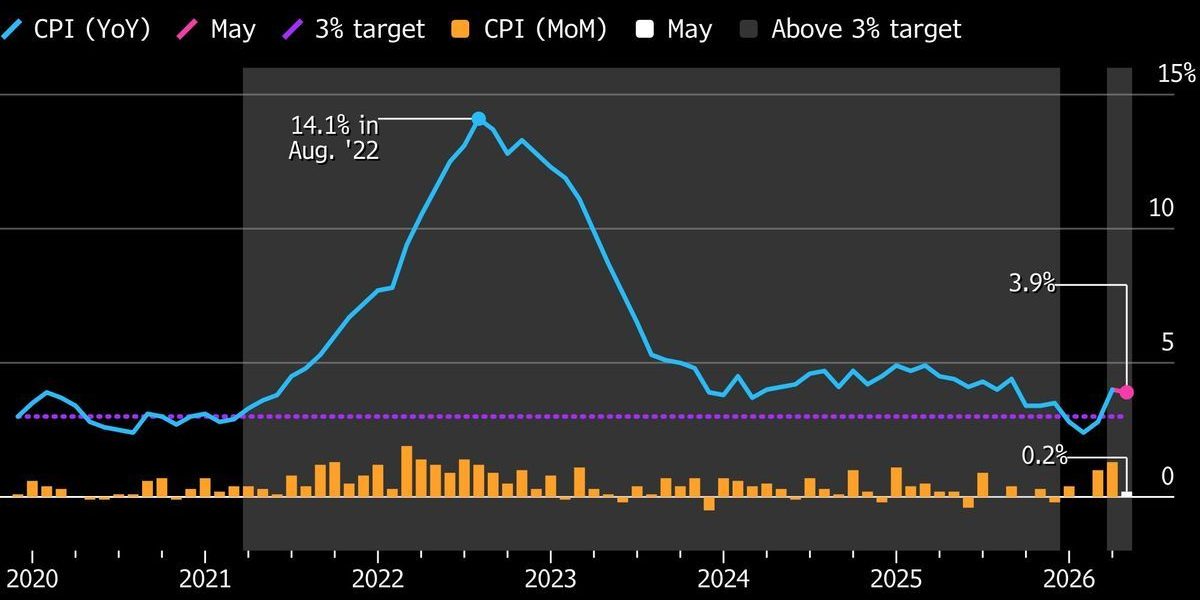
As the price of oil has increased, so too have the costs of other essential goods and commodities, leading to higher inflation rates across the globe. Central banks are left to try and manage the economic fallout, but the war’s impact is being felt far and wide.
Growth Prospects Under Pressure
The global economy, which had been struggling to recover from the pandemic, is now facing significant headwinds due to the conflict in Iran. The International Monetary Fund (IMF) has already downgraded its growth forecast for the global economy, citing the rising costs and uncertainty caused by the war.
Many countries are also facing a sharp increase in food and energy prices, putting pressure on their economic growth prospects. The World Bank estimates that around **1 billion people** in developing countries are at risk of being pushed into extreme poverty due to the conflict.
What this means
The ongoing conflict in Iran has pushed up prices and dented the outlook for economic growth worldwide. As the situation continues to unfold, policymakers will be watching closely for signs of a possible global recession, and the impact this could have on people’s lives and livelihoods.