The ‘Toxic Cocktail’ Brewing in Pennsylvania’s Waterways
BELLE VERNON, Pa.—Off a back road in the hilly country south of Pittsburgh, a tributary to the Monongahela River runs through overgrown vegetation and beneath an abandoned railroad trestle, downstream from the Westmoreland Sanitary Landfill. On a cool day in late July, it was swollen with rain. Tire tracks through the dense brush were puddled with muddy water.
Concerns Over Water Quality
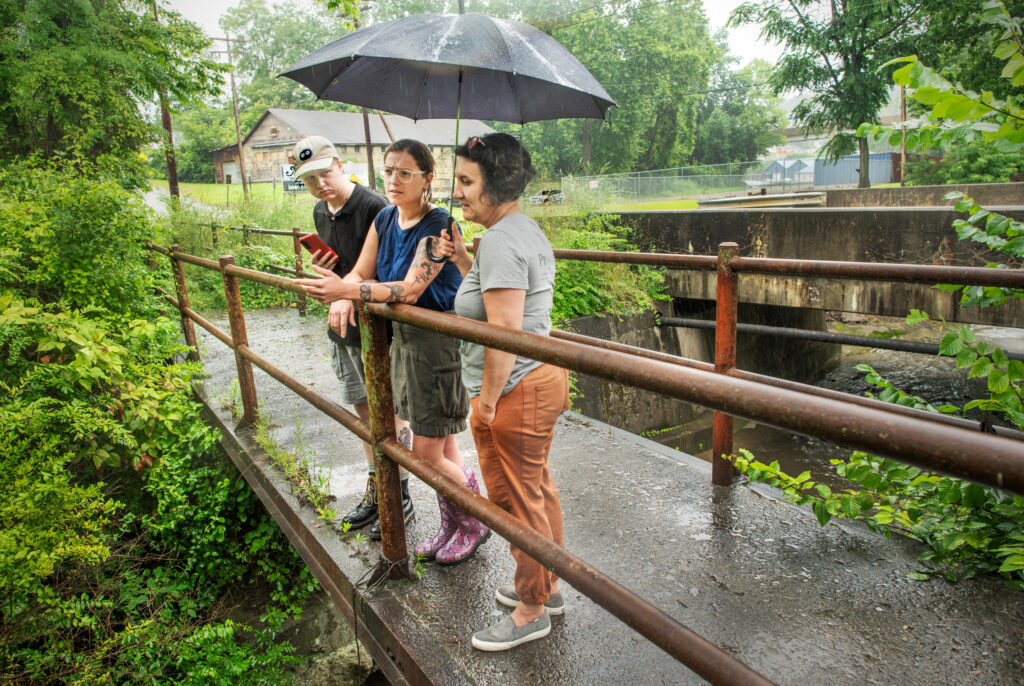
Environmental scientist Yvonne Sorovacu and local watershed advocate Hannah Hohman, her glasses spattered with raindrops, stood together under an umbrella, watching the tumble of the stream. Both women visit the landfill site regularly to collect water samples and record signs of contamination. The water here, flowing downhill from the landfill’s discharge point, is often coated with stiff globs of foam, a telltale sign of pollution.
The History of Waste in Pennsylvania
Over the past decade, as Pennsylvania’s fracking industry flourished, the Westmoreland landfill has accepted hundreds of thousands of tons of oil and gas waste and wastewater. This toxic mixture includes radioactive byproducts and synthetic chemicals used in drilling. Elements such as radium, uranium, arsenic, lead, and benzene are part of this dangerous cocktail that poses a considerable risk to local ecosystems and public health.
Mounting Evidence of Environmental Harm
Recent studies indicate that the increasing volume of fracking waste reaching Pennsylvania’s waterways is leading to substantial environmental damage. For example, at Max Environmental Technologies in southwestern Pennsylvania, the U.S. Environmental Protection Agency identified radium as a likely cause of pollution in nearby creeks. Research from the University of Pittsburgh and Duquesne University further showed elevated radium levels in landfill sediments.
Regulatory Failures and Public Health Concerns
Despite ongoing violations at four landfills, state regulators have not significantly changed how this waste is managed. A grand jury investigation led by then Attorney General Josh Shapiro in 2020 highlighted the state’s failure to protect residents from the hazards of fracking. The report recommended clearer labeling of fracking waste during transportation, among other critical reforms.
The contamination from fracking does not exist in a vacuum; it compounds the historical pollution from coal mining and manufacturing in the area. Acid mine drainage is reported as the second leading cause of stream pollution in Pennsylvania, contributing to the complex challenges facing water quality today.
Local Activists Monitor the Threat
With a history of contamination in their waterways, local advocates and scientists tirelessly monitor the situation. Sorovacu and Hohman regularly test the water quality, discovering concerning levels of “forever chemicals,” such as PFOA and PFOS, which are linked to various health risks. Their findings emphasize the interconnectedness of pollution sources and the urgent need for accountability and action.
Landfills as a Source of Pollution
Landfills like Westmoreland have become critical sites for the disposal of fracking waste, yet many of them are built on former coal mines. This history complicates pollution accountability, as legacy contaminants mix with current waste streams. For instance, testing results reveal high levels of barium – a chemical frequently found in drilling waste – in leachate from local landfills.
The Struggle for Community Awareness
Community members, like Robert Ross from Tioga County, express deep concern about how the expansion of fracking is undoing years of environmental conservation efforts. Noise, pollution, and ecological disruption threaten not only local wildlife but also the tranquility of their communities. Ross laments how once-silent natural areas have been transformed into industrial zones, overshadowing the beauty of Pennsylvania’s landscapes.
A Call for Sustainable Solutions
The growing complexity of waste management highlights the urgent need for sustainable solutions in Pennsylvania. Activists argue for a reassessment of landfill operations, advocating for stricter regulations and better monitoring practices to safeguard public health and the environment.
Concluding Thoughts
As heavy rains increase due to climate change, the potential for more leachate contamination in waterways only escalates. The current trajectory raises serious questions about the long-term impacts of fracking waste on local ecosystems and communities. In light of these challenges, understanding the “toxic stew” resulting from a combination of old and new pollutants becomes essential for effective environmental stewardship in Pennsylvania.
Be First to Comment